Journey through time: meet the pharaohs
Step into the awe-inspiring world of ancient Egypt as we introduce you to the 10 coolest pharaohs who shaped its destiny. Discover their incredible accomplishments and the eras they ruled, leaving an indelible mark on history. Prepare to be amazed by their power, innovation, and lasting legacies. This is where the story of "Coolest Pharaohs of Ancient Egypt" truly comes alive.
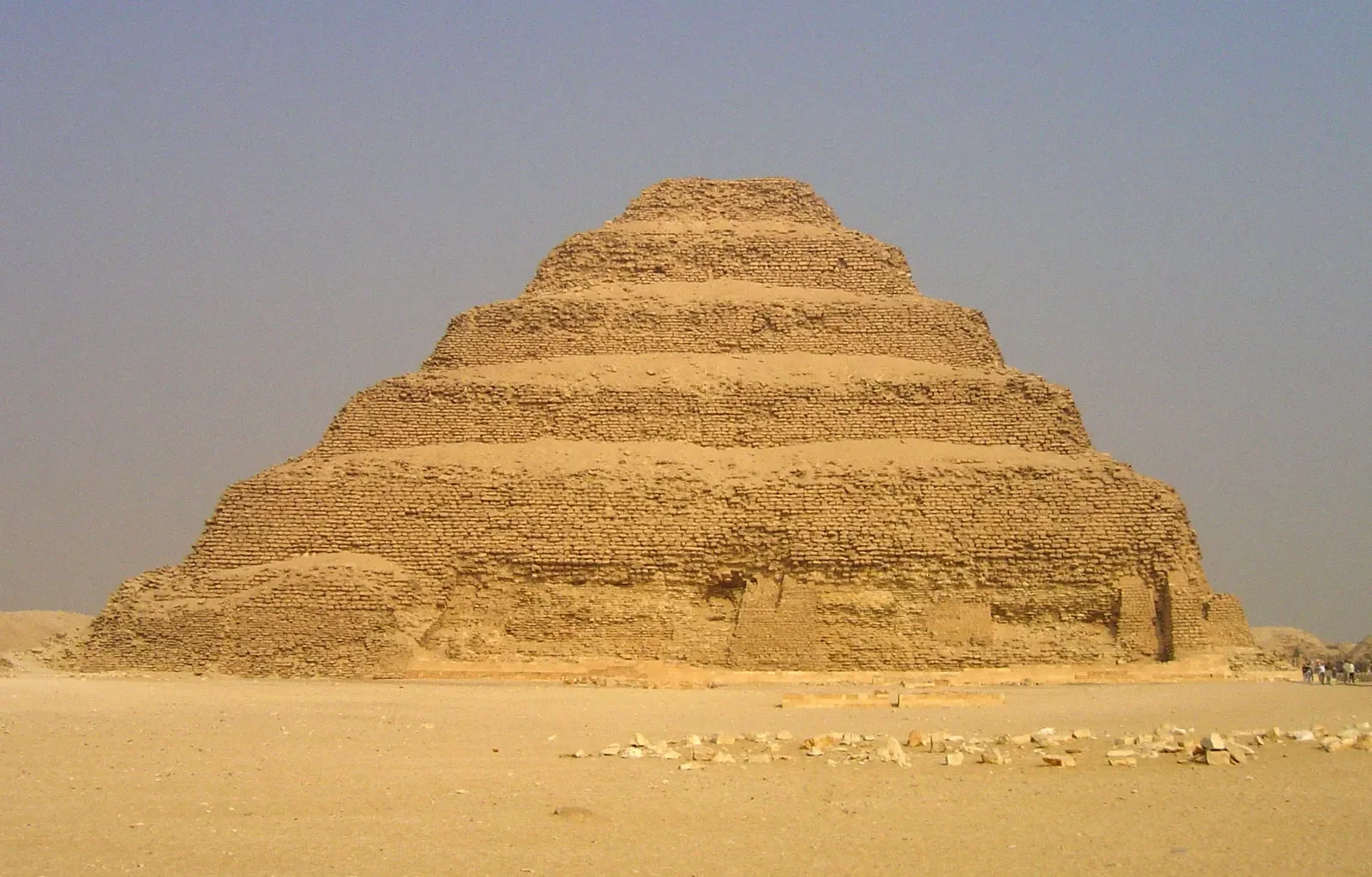
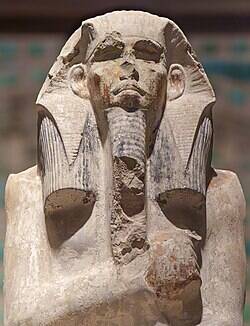
Djoser: the innovator of stone
Pharaoh Djoser (ruled c. 2667–2648 BC) stands as a monumental figure in Egyptian history, primarily for commissioning the world's first large stone building – the Step Pyramid at Saqqara. Designed by his vizier Imhotep, this revolutionary structure was not just a tomb but a statement of power and ingenuity, forever changing architecture. His reign marked a period of significant advancement and stability in the Early Dynastic Period, setting the stage for the grandeur of the Old Kingdom.
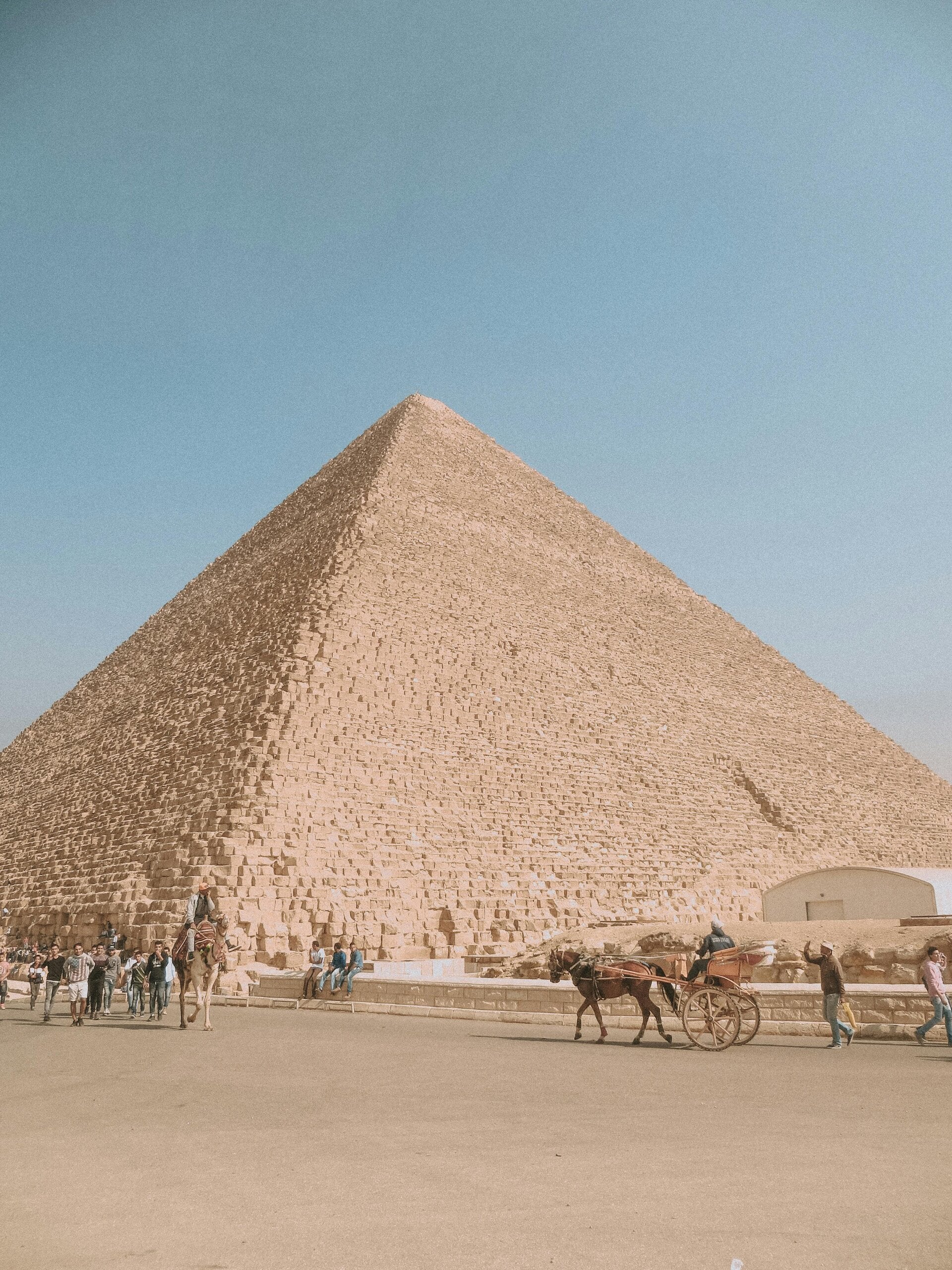
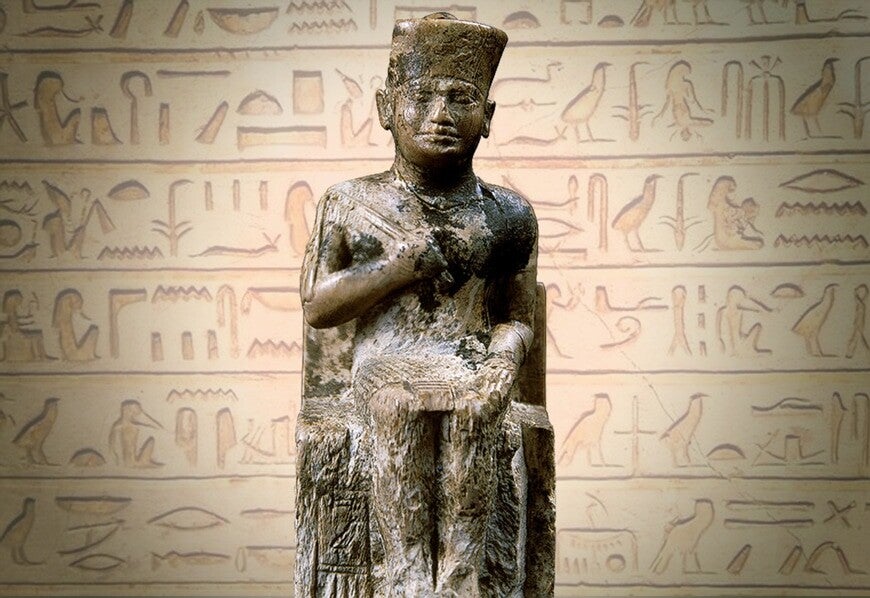
Khufu: the builder of wonders
Khufu (ruled c. 2589–2566 BC), also known by his Greek name Cheops, is immortalized as the pharaoh who commissioned the Great Pyramid of Giza, one of the Seven Wonders of the Ancient World and the only one still largely intact. His reign represents the pinnacle of ancient Egyptian engineering and architectural ambition. The sheer scale and precision of this colossal structure continue to amaze, demonstrating a highly organized society and a powerful, visionary leader.
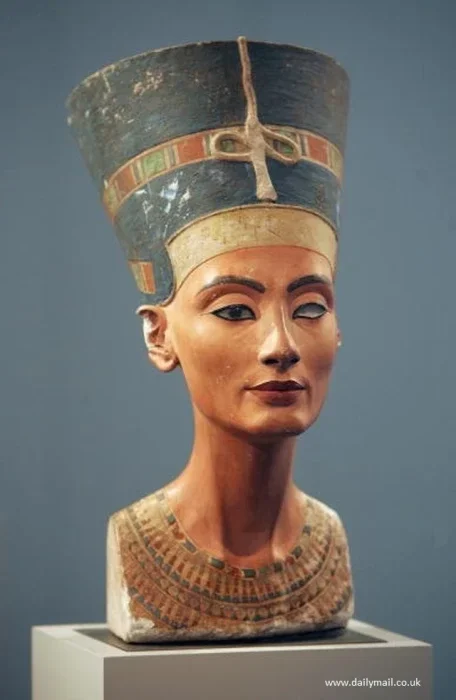
Hatshepsut: egypt's great female pharaoh
Hatshepsut (ruled c. 1479–1458 BC) was one of the most successful female pharaohs, who took on full male regalia and titles, challenging traditional gender roles. Her reign was characterized by immense prosperity, monumental building projects, and peaceful trading expeditions, most notably to the Land of Punt. Her mortuary temple at Deir el-Bahari remains a testament to her architectural vision and powerful rule, solidifying her place as a truly unique and influential monarch.
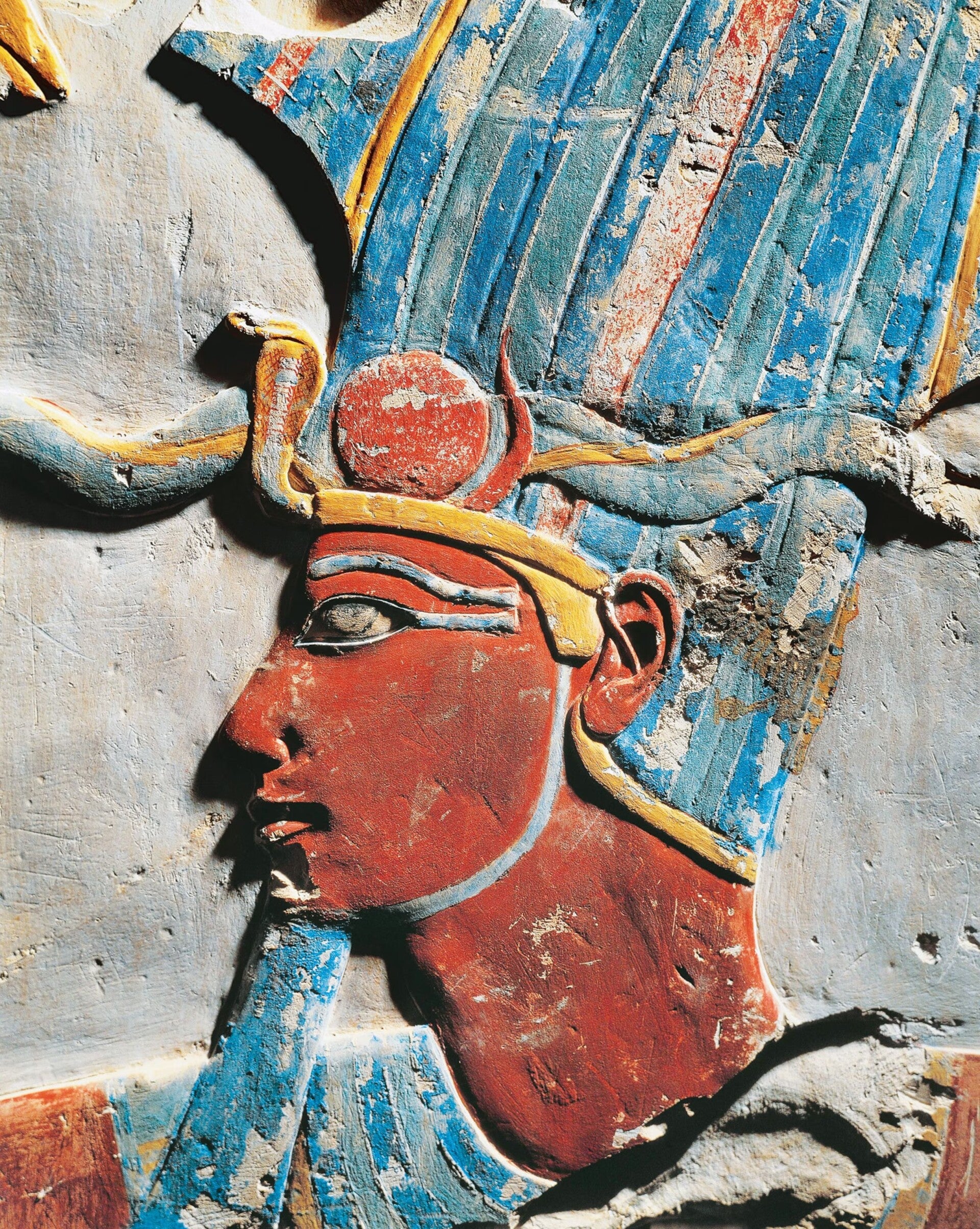
Thutmose III: the napoleon of egypt
Thutmose III (ruled c. 1479–1425 BC), often hailed as the "Napoleon of Egypt," led numerous successful military campaigns that expanded Egypt's empire to its greatest extent. His strategic genius and tireless leadership secured vast territories, bringing unprecedented wealth and influence to Egypt. Beyond his military prowess, he was also a prolific builder, leaving behind an impressive legacy of temples and monuments, including additions to Karnak.
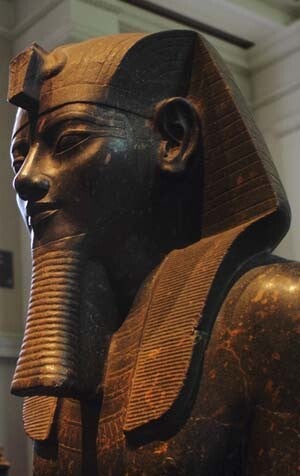
Amenhotep III: the magnificent sun king
Amenhotep III (ruled c. 1388–1351 BC) presided over an era of unparalleled prosperity and artistic flourishing, often referred to as the "golden age" of ancient Egypt. Known for his diplomatic finesse and love of grandeur, he commissioned more statues and architectural marvels than any pharaoh before him, including the magnificent Colossi of Memnon. His reign showcased Egypt's immense wealth and cultural sophistication, making him truly "the magnificent."
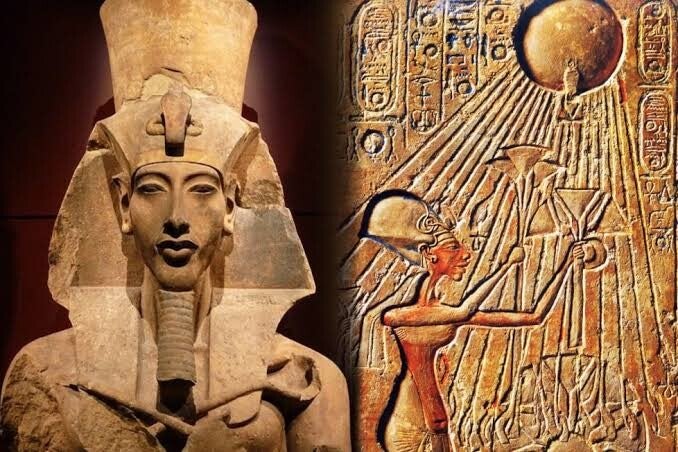
Akhenaten: the revolutionary monotheist
Akhenaten (ruled c. 1351–1334 BC) was a truly revolutionary pharaoh who attempted to transform Egyptian religion by promoting the worship of a single deity, the Aten (sun disc), over the traditional pantheon. He moved the capital to a new city, Akhetaten (modern Amarna), and introduced a distinct, more naturalistic art style. Though his religious reforms were short-lived, his audacious vision and impact on Egyptian society remain a fascinating and unique chapter.

Tutankhamun: the boy king's enduring legacy
Tutankhamun (ruled c. 1332–1323 BC), while ruling for a relatively short period and dying young, achieved global fame with the discovery of his nearly intact tomb in 1922. His reign saw the reversal of his father Akhenaten's religious reforms, restoring traditional polytheistic worship. The treasures found within his burial chamber have offered an unparalleled glimpse into the wealth and rituals of ancient Egyptian royalty, making him a symbol of archaeological marvels.
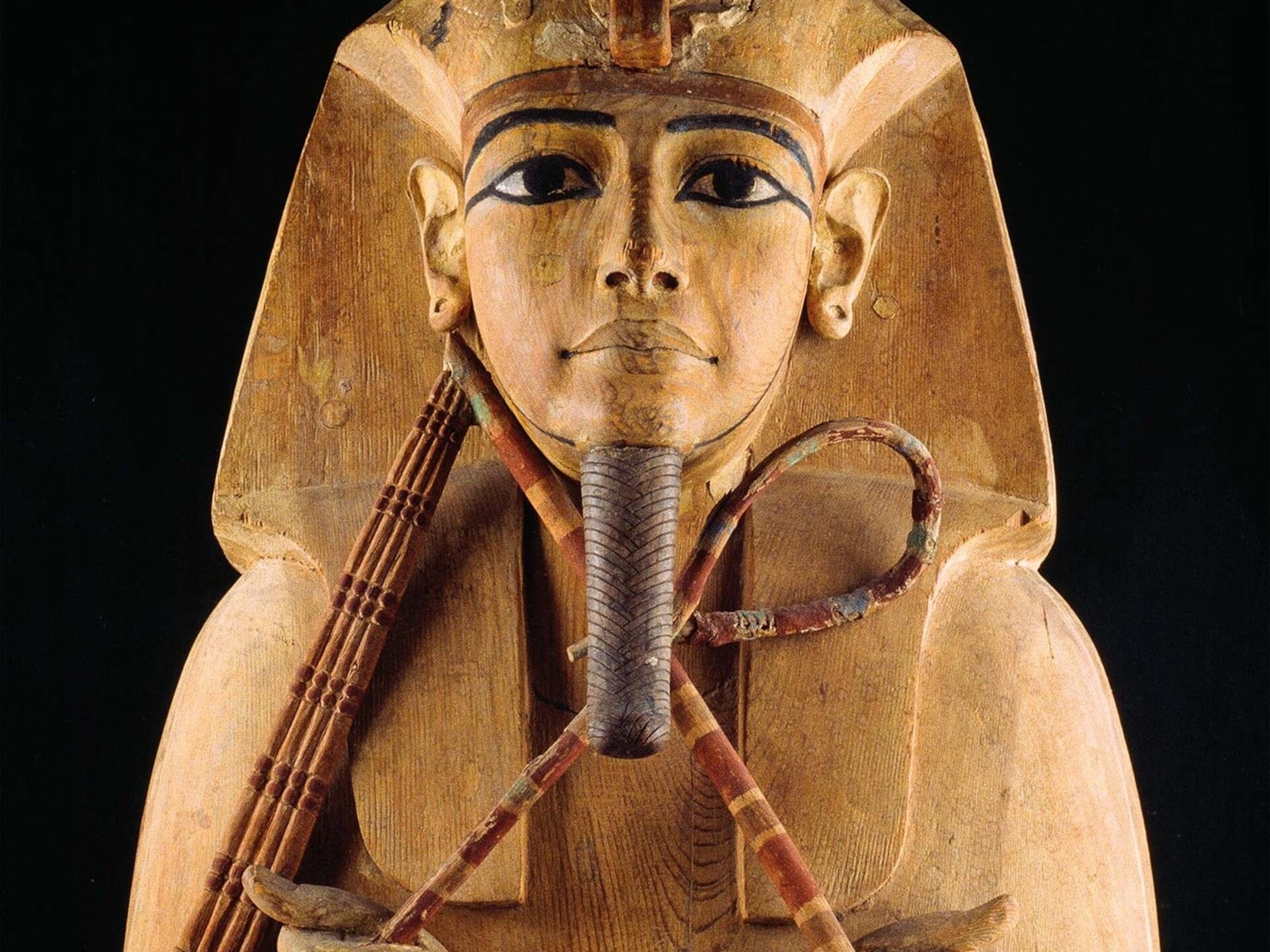
Ramses II: the great ancestor
Ramses II (ruled c. 1279–1213 BC), often called Ramses the Great, is arguably the most famous pharaoh of the New Kingdom, ruling for an astonishing 66 years. His reign was marked by extensive building projects, including the magnificent temples of Abu Simbel and the Ramesseum, and significant military campaigns, such as the Battle of Kadesh. His prolific legacy and self-promotion ensured his image dominated Egypt, solidifying his place as a true titan of ancient history.
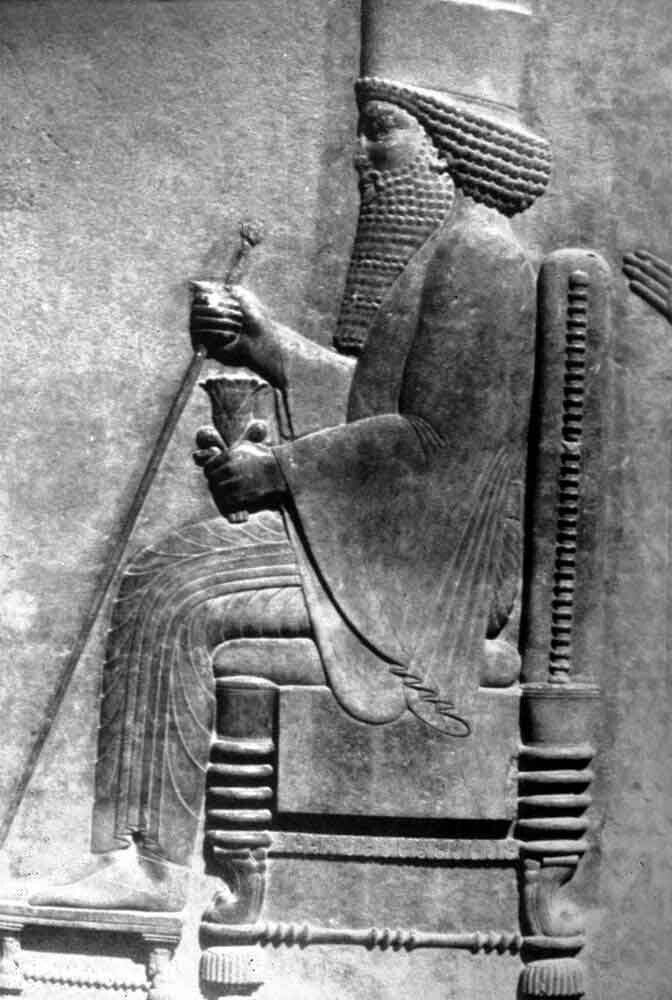
Xerxes i: bridging two worlds
Xerxes I (ruled c. 486–465 BC), though a Persian king, held the title of pharaoh of Egypt, representing a unique period in Egyptian history under Achaemenid rule. While known more for his massive invasions of Greece, his reign over Egypt was characterized by continued Persian administrative control and taxation. His influence, though from afar, connected Egypt to a broader imperial network, making him a fascinating figure in the complex tapestry of its late ancient history.
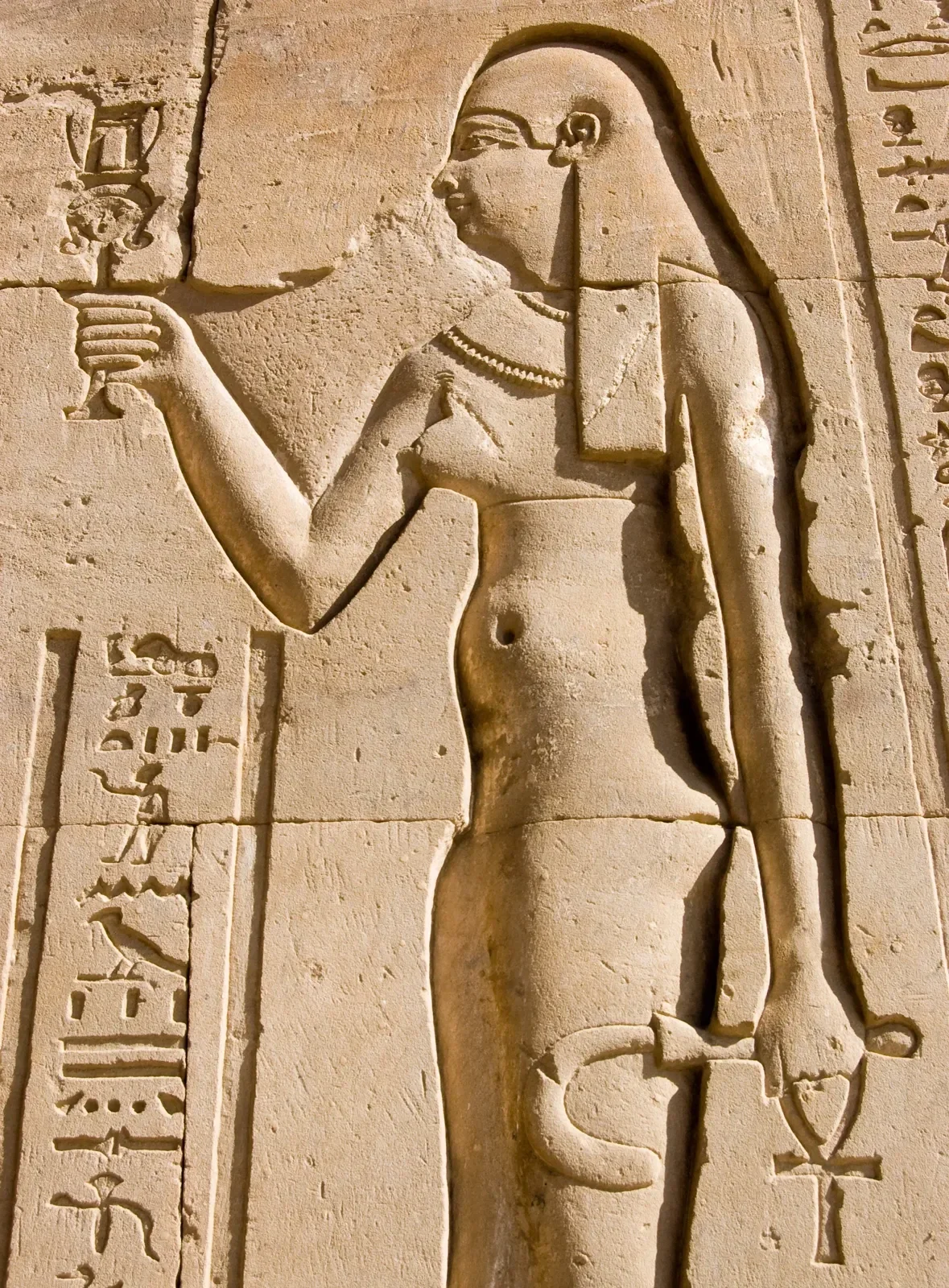
Cleopatra vii: the queen who charmed empires
Cleopatra VII (ruled 51–30 BC) was the last active pharaoh of Ptolemaic Egypt, a Hellenistic kingdom. Renowned for her intelligence, charm, and political acumen, she famously aligned herself with powerful Roman leaders Julius Caesar and Mark Antony to protect Egypt's independence. Her dramatic life and tragic end, intertwined with the rise of the Roman Empire, make her one of the most iconic and captivating figures, marking the end of ancient Egypt's long line of pharaohs.
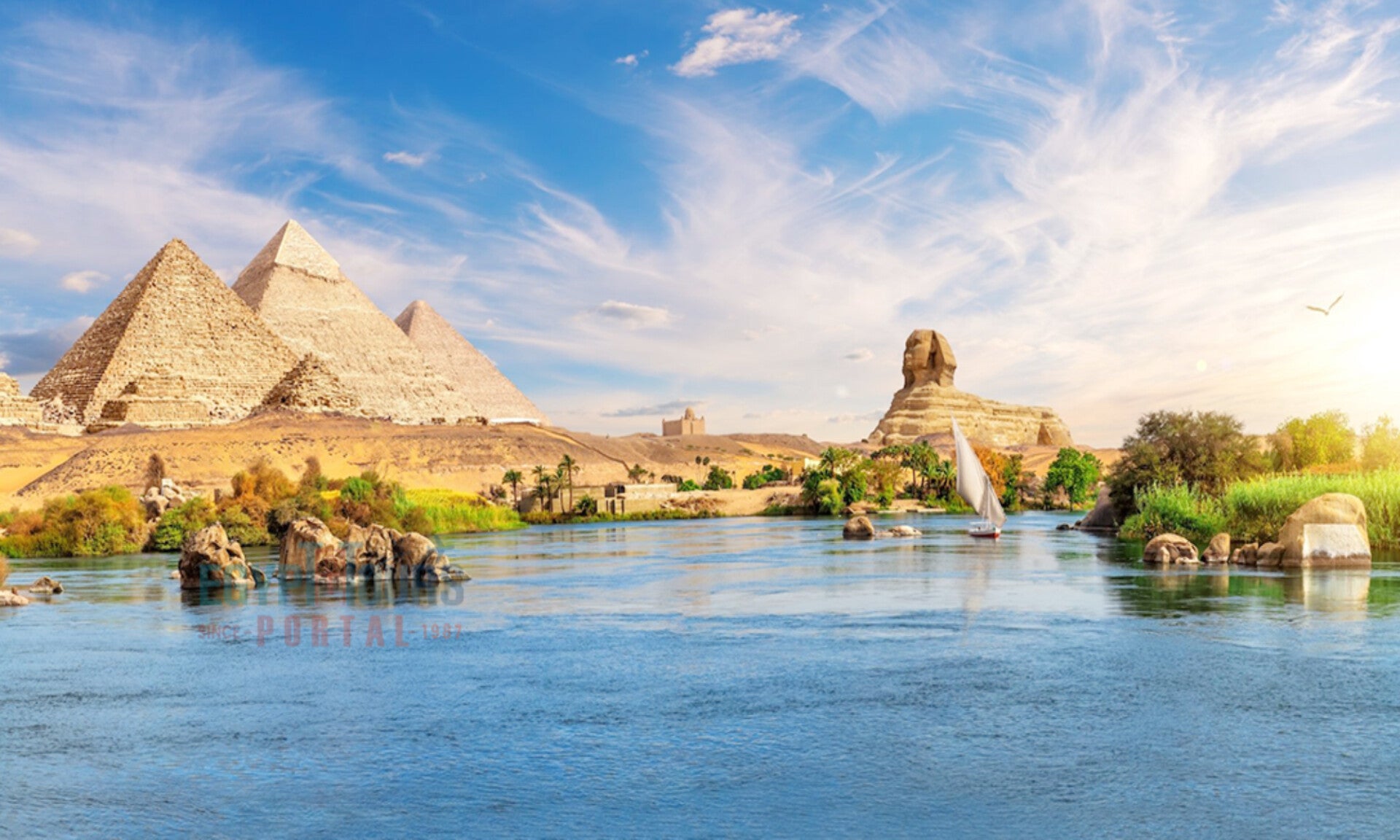
Where will your journey take you next?
You've met the coolest pharaohs and explored their amazing accomplishments. Now, deepen your understanding of their world by discovering the geographical context of ancient Egypt. See where their great pyramids were built, their empires expanded, and their stories unfolded.
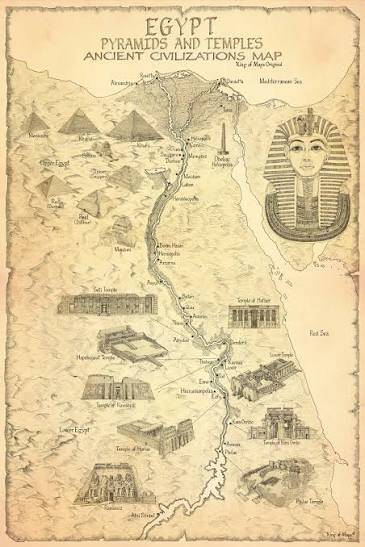
Map of Ancient Egypt
Create Your Own Website With Webador